0
0
 0
0
In praise of all things flawed
To Live and Die in the Age of AIDS
In 1988, I joined two friends on a road trip from California’s San Joaquin Valley to Los Angeles. We were all preachers and pastors and we were headed for a convention of preachers and pastors. It was a jubilant guys’ trip rolled into a spiritual pilgrimage.
Burger King had lately come out with an Italian Chicken Sandwich. It featured delicious marinara sauce, and we ate several of them along the way.
At some point, while consuming one such sandwich, Alan, aka “Big Al,” cracked us up.
“You know boys,” he said. “I am going to be the sex symbol of the 1990s”
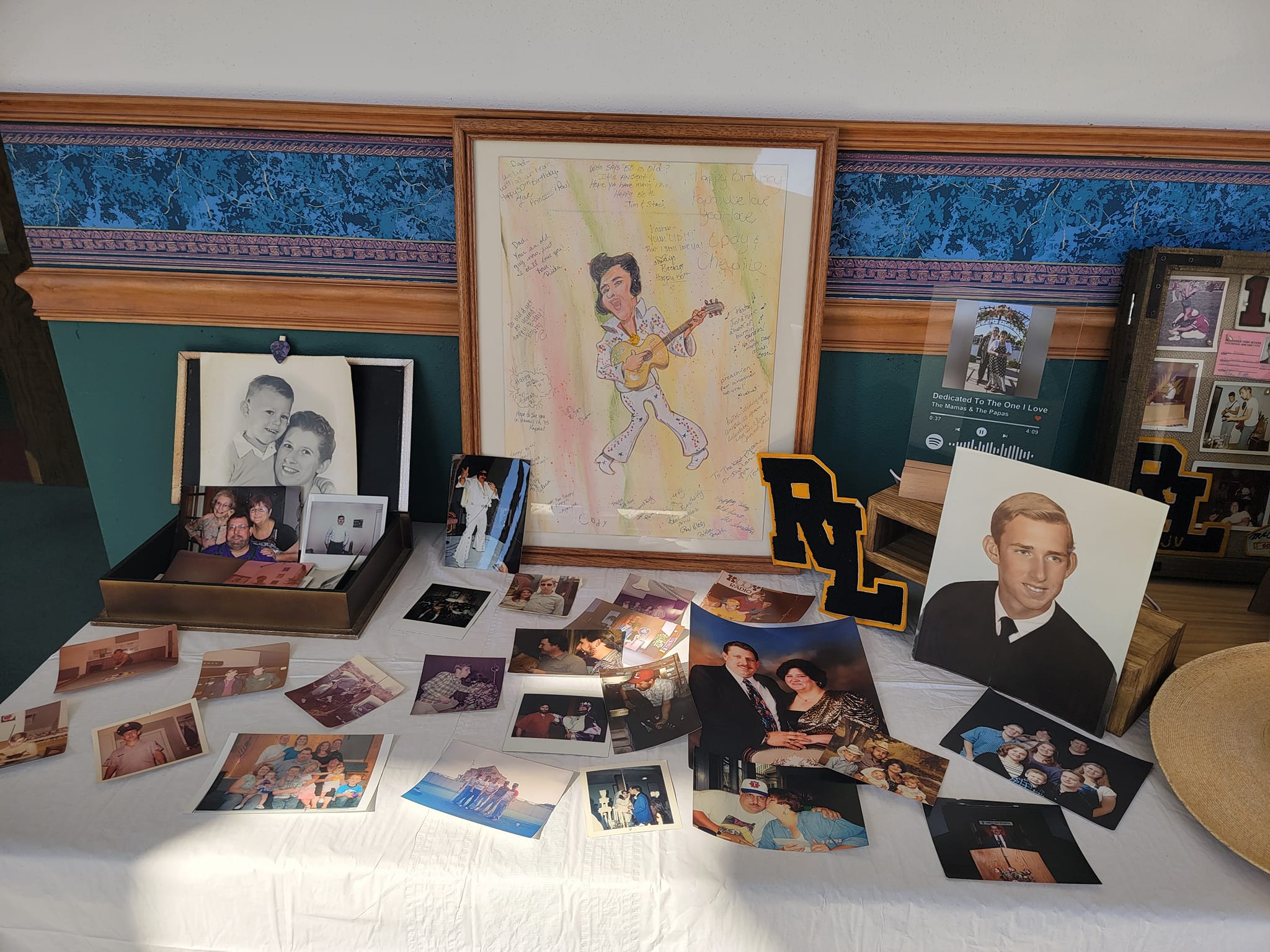
Alan was threatening 300 pounds and a wonderful human to be around. He could sing like Elvis—well enough to be one of those Vegas Elvises. He was a good guitar picker, too. One of my favorite memories of Al was one Thanksgiving night when he played acoustic and sang “In the Ghetto” in our living room in Turlock, California.
The song is my second favorite memory. The road trip is my first.
He was not the likeliest candidate for a sex symbol, in my opinion.
When he finally gathered himself from laughing so hard, the other preacher friend, Keith, asked, “What the heck are you talking about?”
“Women will look at this body and know I don’t have AIDS!” beamed Alan.
Another round of laughter ensued.
For context, that was the Age of AIDS. The world was gripped by it and when Ervin “Magic” Johnson announced he was HIV positive, it hit us even harder. If a world-class athlete like Magic could contract AIDS, anyone could! Images of the emaciated bodies of those dying with the disease were all over the news. The virus had gone viral before going viral meant what it means today. No Internet. Hardly any people with their own personal computers, even. No smartphones. No Social Media. But word about AIDS spread like wildfire.
Live Aid, one of the most famous concerts in history, was held to raise funds and awareness.
Al was a big boy, a one-woman man, and unafraid of AIDS. And set to be the sex symbol of the ‘90s.
Living and Dying in the Age of AI
I have thought about Al’s statement recently. Each time I see another Facebook page share an unusual or heart-rending story written by Artificial Intelligence, I think about it. Regardless of the context—history, horror, sports, autobiography, business, you name it—the formula is the same. The cadence is as recognizable as the emaciated body of the dying AIDS patient of the 1980s. Every article will give the moral of the story and how it reminds you of this or that, and there is always the presence of the em dash—and the triad.
Samples:
A page on Facebook calling itself “True Stories” popped up and overnight had over 100k followers. It ends every story in the now-familiar AI way:
He carried medicine to the places the world forgot and proved that compassion backed by relentless work can rewrite what experts call possible. –December 1, 2025 article about Paul Farmer
Marshall McLuhan did not predict the future. He noticed it forming in the present, and taught everyone else how to read it. –December 1, 2025
Deion Sanders did not chase history.
He made history adjust to the speed of his ambition. –December 1, 2025
It doesn’t matter who or what an AI article is about, they all sound alike in the end. They sound like some humanoid searching for a soul and thinking it has found it by using quippy phrases and proven writing techniques. It mistakes precision for passion, language for love, and syntax for soul.
That page of forged humanity, which was set up, I am certain, by evildoers for nefarious intent, put out seventeen of these articles in 24 hours. They garnered more than 30,000 likes and tons of comments.
The ignorant read it, like it, comment on it ad nauseum, unaware they have been sucker-punched in the medulla oblongata. Suckers. Saps. Silly and clueless people slobbering on stuff nobody wrote—nobody of their species, anyhow.
That is what’s going on all over Facebook, LinkedIn, and God-knows-where-else.
Meanwhile, a human author, one who has poured actual heart and soul and blood and sweat and tears and grief and agony and ecstasy and every human emotion one can experience into his writing can’t get a soul to give a shit.
Al and I, Sexy as All Get Out
Big Al died last year. He was 69 years old. It was a major loss—one I still feel and will for as long as memory serves. He left a hole no AI could fill. He didn’t die of AIDS, but of complications associated with Diabetes and heart failure.
But he lived. He really lived and because he did, others have lived better than they might have, with bigger smiles and more purpose.
I don’t think he ever became the sex symbol of the 90s, but I was pulling for him.
Maybe I will, in his honor, become the Shakespeare of the 2030s. When what is left of humanity has had its fill of inauthentic perfection, when they have grown weary of their emotions being toyed with by indifferent AI agents, when they look for a misspelling or suspect syntax as proof that a human wrote what they are reading, they will hail me as great because I am flawed.
They will say, “Look at this jackass. He wobbles all over the road like a loose chassis and he makes no sense for the longest time and then, BAM! He smacks you right in the mouth with a truth you can hang your heart on.”
They are gonna look at this body (of work) and know I don’t have AI.
That’s sexy right there.
Love you, Al. God bless.
FOOTNOTE: I wrote the following on Al’s Facebook page on his first birthday celebration in Heaven. I share it here to honor my friend.
I’m glad you were born and that I found that out all those years ago in California, when we ruled the world. Gather Peter and the boys and lead them in Happy Birthday Elvis style. I’ll look you up when I get there, my friend.